
Many comprehensive travel insurance policies cover rental car excess, although coverage isn’t automatic across every plan. Some travel insurance plans bundle car hire excess as standard, while others charge extra for the add-on.
For instance, the average car rental excess in Australia sits around $4,334 for theft and damage, according to industry data. And when something goes wrong with your rental vehicle, and you’re not properly covered, that $4,334 becomes your bill.
In this article, we’ll cover what travel insurance pays for when you damage a hire car. We’ll also walk through the exclusions that people often miss and how motor vehicle insurance compares to the excess waiver at rental counters.
Let’s find out if your current policy has you covered.
Car Rental Excess Explained: What You’re Paying For
Rental vehicle excess is the upfront amount you’re liable for when the hire car gets damaged or stolen. This charge applies regardless of fault under most standard rental agreements in Australia.
Here’s how the system operates.
How Rental Vehicle Excess Cover Works
The car rental company can hold you liable for damages up to the excess amount stated in your agreement. You have to pay this insurance excess upfront when damage occurs. After that, your rental vehicle excess insurance may reimburse you once you submit claims.
Rental companies charge an excess to reduce their financial risk while keeping daily hire rates lower. That’s the level of protection you’re paying for when you collect the keys.

Why Car Hire Companies Charge Excess
Excess fees protect hire companies from repair costs, theft losses, and administrative expenses during vehicle downtime. Not to mention, companies have to factor in Brisbane’s parking challenges, tourist driving patterns, and vehicle type when setting the excess amount.
To give you an example from our experience, luxury vehicles typically carry excess charges of around $8,800, while campervans can reach up to $10,334 compared to economy cars.
Understanding Travel Insurance and Rental Car Excess Coverage
So, does travel insurance cover car rental excess?
Most comprehensive policies include rental car excess, but you won’t know that straight away by looking at your policy certificate. Coverage typically ranges from $4,000-$8,000 for most policies, with some insurers offering up to $10,000 on premium tiers.
This is what standard travel insurance covers.
What Standard Comprehensive Policies Include
Most policies cover the excess amount when you damage the hire car, or it gets stolen whilst in your care (assuming you’ve got that box ticked on the form). The policy covers the lesser amount between the car rental excess and actual repair costs, though.
Some insurers also pay for vehicle transport back to the rental depot if medical injury prevents you from driving. These medical expenses from rental car accidents usually fall under your policy’s standard travel insurance cover section. That said, you’ll need written confirmation from a medical advisor proving you’re unable to drive.
Worth Noting: Medical benefits only apply when the rental vehicle is damaged during your journey.
Domestic vs Overseas Hire Car Coverage

International policies often include rental vehicle excess automatically in comprehensive plans at no additional premium cost. This coverage limit with overseas policies typically sits higher than domestic Australian options.
Domestic travel insurance, meanwhile, requires you to specifically select rental car excess as a paid add-on in most cases.
The reason you pay extra for domestic cover is that Australian insurers treat local rentals differently from overseas bookings. Plus, domestic policies cap rental car insurance at $5,000, while international plans can reach $8,000 or more, depending on your insurer.
What to Check in Your Policy Before You Rent
Reading the fine print before you collect the keys prevents claim rejections that leave you thousands out of pocket. From what we’ve seen across dozens of rejected claims in the past two years, missing the final repair invoice is the usual culprit.
Take a look at the main policies you need to check before renting:
- Policy Limits and Caps: Check the maximum reimbursement your insurer pays, typically $4,000 to $8,000. Because some policies cap coverage per trip, while others set annual limits. Say, a $5,000 policy won’t fully cover a $6,500 luxury car excess.
- Where You Can Drive: Verify if your policy covers domestic rentals, international bookings, or both. Fair warning, though, renting a car in Western Australia’s remote areas might fall outside standard coverage zones your travel insurer approves.
- What Vehicles Qualify: Standard policies generally cover sedans and SUVs, but exclude vehicles that exceed 4.5 tonnes. Most of the time, major car hire brands stock covered vehicles, but campervans and luxury cars often need separate rental vehicle agreement coverage.
Apart from these, we recommend knowing what paperwork claims require: rental agreements, police reports, damage assessments, and repair costs receipts. You’ll find the product disclosure statement (PDS) spelling out these requirements.
Understanding Policy Exclusions: When You Won’t Get Paid
Your travel insurance won’t cover the car rental excess if you breach policy terms or rental agreement conditions. In fact, the Insurance Council of Australia notes that exclusions for high-risk activities, pre-existing conditions, and travel warnings apply across most policies, regardless of which insurer you choose.
Some small mistakes like these can count against you.
Road Rule Violations and Reckless Driving
Speeding tickets, running red lights, or driving under the influence of alcohol void your rental vehicle excess insurance coverage. In fact, insurers will reject claims when police reports show you violated local road rules during the accident. And even minor infractions like illegal parking can trigger claim denials under policy exclusions.
In our experience with Brisbane rental pickups, three travellers last winter had their claims denied after speed camera fines came through. That’s how strict insurers get with the insurance excess charged on single-vehicle accidents.
Off-Road Use and Unauthorised Drivers
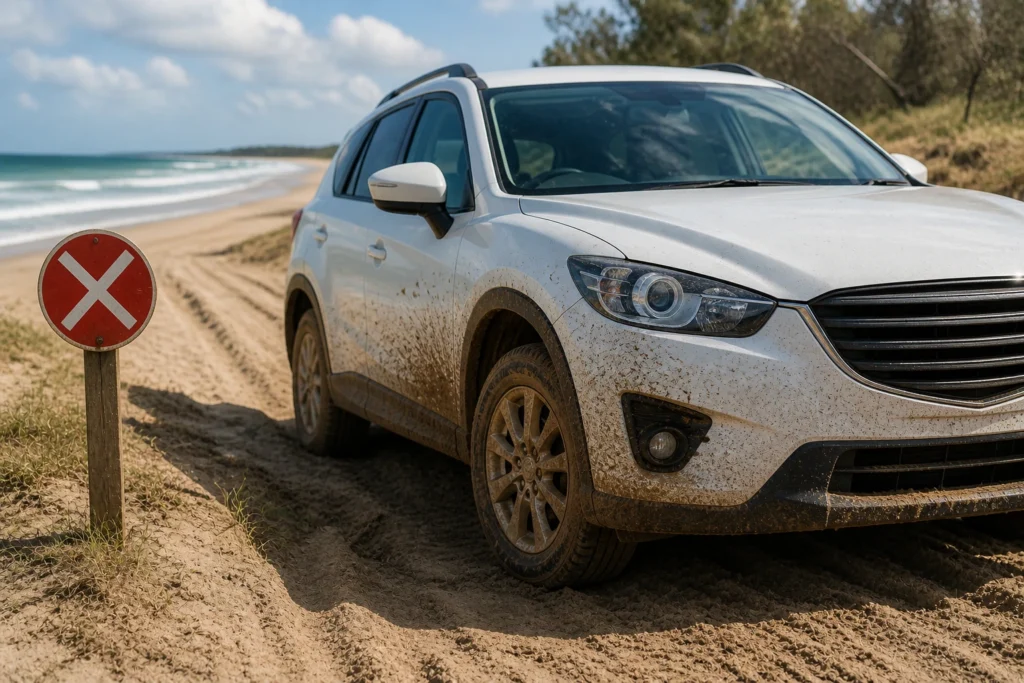
Taking the rental car off sealed roads or onto Queensland beaches breaks most rental agreements instantly. The rental company then holds you liable for the full excess amount without any reimbursement.
Flood damage from driving through water crossings also falls outside standard policy coverage. And in most cases, beach driving is excluded or restricted in rental agreements. That’s because rental contracts generally don’t cover damage caused by sand, saltwater, or underbody impact.
The Claims Process: Pay First, Claim Later
Most travel insurance requires you to pay the hire car company first, then submit reimbursement claims afterwards (sounds tedious, we know). For claim submission, you’ll need receipts, police reports, rental agreements, and damage assessments as documentation.
First, the rental agency charges your card immediately for repair costs when damage occurs. After that, you lodge your claim with supporting paperwork to get reimbursed. Processing takes 2 weeks to 3 months, depending on:
- Claim complexity,
- Documentation quality,
- And which medical advisor verified your circumstances.
Comparing Your Options: Three Ways to Cover the Excess
You have three main options to reduce or eliminate rental car excess charges on your next hire. Each approach has different upfront costs, coverage levels, and convenience factors worth weighing against each other.
Let’s check which one fits your rental:
- Counter Waiver: This waiver costs between $30 and $45 daily in Australian cities, adding around $300 per week. It reduces the hire car excess to zero or a small standard excess amount immediately. The catch is that the option often excludes windscreen, tyre, and underbody damage at extra cost.
- Standalone Policy: Online car hire excess insurance costs $7 to $12 daily for single trips, or $120 to $180 annually for unlimited domestic rentals. Unlike counter waivers, this policy covers everything, including tyres and windscreens, under your rental excess agreement. Although you have to buy cover before booking, pay the rental company first after damage occurs, then claim reimbursement later from licensed rental companies.
- Travel Insurance Add-On: Add-ons are best for travellers who need medical, cancellation, and rental vehicle cover combined in one insurance policy with single documentation (sub-limits apply). Everything will be included in comprehensive travel insurance policies or added for an additional premium, covering you for more than just the car.
These three options handle car hire differently, so compare them based on how often you rent. We suggest choosing the one that matches your rental patterns and budget rather than picking the first offer at the counter.
Time to Sort Your Cover Before You Drive Off
Travel insurance can cover rental car excess, but only if your policy specifically includes it and you meet all conditions. It’s best to always read the fine print before you rent to confirm coverage limits, exclusions, claims processes, and documentation requirements. That ten-minute check saves thousands when something goes wrong with your hire car.
When you’re ready to rent in Brisbane, GLAPacked makes the pickup process transparent with clear car rental excess explanations upfront. So check your insurance policy documents or contact your travel insurer directly before your next rental vehicle booking to avoid coverage surprises at the rental company counter.
Related Posts
Car Hire Tasmania: Things to Know Before Booking
Before booking a car hire in Tasmania, it’s better to…
Planning Ahead? Here’s How Car Hire Alice Springs Works
Car hire in Alice Springs gives you the freedom to…

Renting vs Owning a Car in Brisbane: Which Works Best?
Picture yourself stuck in Brisbane city traffic. Watching your fuel…