
Thinking about hiring a car in Brisbane, but confused about what insurance you need? Don’t worry, we’ve got the complete breakdown for choosing the right car hire coverage.
GLAPacked will share insights on rental car insurance types, costs, and what’s already included. By the end of this article, you’ll know what’s included automatically, actual costs for excess reduction, how credit cards work overseas, smart steps to avoid paying twice, and when extra cover makes sense.
Hopefully, car rental insurance won’t be a headache anymore for Brisbane travellers after reading this guide. Let’s get into it.
What Is Rental Car Insurance When Hiring a Car?
Rental car insurance is the protection that caps your costs when something goes wrong with your hire vehicle. Basically, it limits how much you’ll pay if the car gets damaged or stolen during your rental period.
Every hire car in Australia includes basic cover, but here’s the catch. You’re still on the hook for $3,000-$8,000 excess, depending on the rental vehicle and car rental company you choose.
The cover handles collision damage, theft, and third-party claims. But it breaks down the moment you breach your rental agreement. Drive recklessly, ignore warning lights, or take unsealed roads when you’re not meant to, and you’ll be paying for repairs out of your own pocket.
In short, you’re covered until you’re not.
Types of Car Hire Insurance Coverage in Australia
Australian rental companies bundle several coverage types into every hire. You should know what each one does, unless you want to pay for protection you already have.

Collision Damage Waiver (CDW)
CDW reduces what you pay for repairs after accidents, but it doesn’t eliminate the car hire excess entirely. Australian rental companies include this in every hire as standard practice across the industry, and you can’t opt out of it.
Here’s what CDW typically won’t cover: roof damage from low-clearance car parks, underbody damage from rough roads, tyre punctures, and windscreen chips all fall outside standard excess cover. If any of these happen, you’re paying the full excess amount regardless of how careful you were.
Loss Damage Waiver and Excess Waiver Options
LDW combines collision and theft protection, which can reduce your rental car excess to zero in many cases. The rental company charges between $25 and $75 daily, depending on vehicle class, and that daily fee adds up fast on longer hires.
Meanwhile, Super CDW or Premium options extend coverage to previously excluded items. Glass, underbody, and overhead damage waiver products cost more, but they plug the gaps left by standard excess insurance.
Third Party Liability Coverage
CTP car insurance covers injuries to other people. It’s mandatory and comes with every rental vehicle automatically, so you don’t pay extra for this protection. Damage to other cars, fences, or buildings is covered up to $10-$20 million in Australia.
You’re protected as long as you drive legally on approved roads. Break the rental agreement terms, and this protection vanishes instantly.
Personal Accident Insurance (PAI)
PAI covers your medical bills and passenger injuries. Hire companies charge $6-$12 daily for it at the counter.
However, most Australians don’t need this nowadays. You’ve probably got better coverage through Medicare, private health, or your travel insurance policies already. Those usually have higher limits, and you won’t be stacking an additional premium on top of your car hire costs.
Worth checking your existing domestic travel insurance first, because paying twice for the same protection makes no sense.
Do You Need Rental Vehicle Excess Cover?
Not legally required, but according to National Cover Insurance, skipping rental vehicle excess cover leaves you exposed to $4,000-$8,000 bills if anything goes wrong. The basic cover lets you drive legally when hiring a car, but that excess insurance amount can wreck your budget fast.
Excess reduction makes sense if you can’t absorb that hit. Unfamiliar with Australian roads? First time renting a car here? The peace of mind alone might justify the cost. Pass on it when your credit card or travel insurance already covers rental excess.
But here’s the thing: verify the limits first, because some policies cap car hire excess coverage at lower amounts than what you’d actually owe.
How Much Does Hire Car Excess Insurance Cost?
It depends on your vehicle type and rental company, with costs ranging from $25 to $75 per day across Australia. Hire car excess insurance from rental agencies typically sits in that range, depending on vehicle class and location.

Economy cars average around $29 daily to reduce your excess, while luxury SUVs can hit $65 per day or more for the same protection.
Meanwhile, standalone car hire excess insurance Australia policies from third parties run $8-$15 daily. Annual plans cost $130-$200 for frequent renters, which makes sense if you’re hiring vehicles more than twice a year. Here’s how the costs break down:
|
Vehicle Type |
Rental Company Rate |
Standalone Policy Rate |
|
Economy Car |
$25-$29/day |
$8-$12/day |
|
Mid-Size SUV |
$35-$45/day | $10-$14/day |
|
Luxury/Prestige |
$60-$75/day | $12-$15/day |
The gap between what car hire companies charge and what independent excess cover costs can save you serious money on week-long trips.
How to Choose Car Rental Insurance: 5 Smart Steps
Now that you know the coverage types and costs, here’s how to pick the right car rental insurance option without overpaying.
Step 1: Check Your Credit Card Coverage First
Premium credit card providers bundle rental car excess cover, but only when you pay the full car hire with that card. Here’s where it gets tricky. Australian rental car bookings don’t always qualify, and some credit card policies exclude domestic car hire entirely, while others cap excess cover by region.
To know what you’re actually covered for, ring your credit card issuer and ask about excess limits, excluded rental car types, and how claims work. Be specific about car hire coverage in Australia.
Step 2: Understand the Insurance Excess Amount
First things first: the insurance excess is what you’ll pay if your rental vehicle gets damaged. It’s completely separate from the security bond on your credit card. The excess amount on compact rental cars sits at $3,300-$5,500, while prestige rental vehicles hit $8,000-$10,000.
After you sign the paperwork, check your rental agreement’s front page. The 2025 regulations force rental companies to display the rental vehicle excess amount upfront in 14-point type.
Step 3: Compare Car Rental Company vs Standalone Options
Counter waivers from the car rental company offer convenience. You pay the hire company at pickup, and if something goes wrong with your rental car, there’s no reimbursement process later. The downside is that car companies charge 50-70% more than standalone excess cover providers, and the excess payable stays the same.
Standalone insurers work differently. When your hire car sustains damage, you’ll pay the full excess to the rental company upfront, then claim reimbursement afterwards. The wait might frustrate you, but you’ll avoid inflated repair costs that car hire companies charge.
Annual policies become cost-effective if you’re renting vehicles more than twice yearly. One-off policies suit single trips instead.
Step 4: Know What Excess Cover Actually Includes
Standard excess waiver products exclude plenty. Tyres, windscreens, and roof damage fall outside coverage. Single-vehicle accidents on unsealed roads aren’t covered in most rental vehicle agreements either, and the fine print spells this out.
Premium or Super CDW versions extend excess cover to glass, underbody, and overhead damage. You’ll pay higher daily fees for that broader coverage, though.
But here’s what you need to do: don’t rely on the hire car company counter staff. Instead, grab the product disclosure statement yourself. The reason? Verbal summaries gloss over exclusion limits that only show up when filing claims.
Step 5: Document Your Rental Car Before Driving
Before you drive your rental car anywhere, take timestamped photos of the rental vehicle from every angle. All sides, interior, wheels, glass, and scratches on the hire car body. Then walk back inside and ask the staff to mark every scratch, chip, and warning light on the rental car agreement.
When you return the rental vehicle, repeat the photo process. Disputes over pre-existing damage top not at fault car hire claim issues when rental cars are damaged or stolen.
Photos with timestamps settle arguments fast, especially if you were involved in an accident.
Credit Card and Travel Insurance for Travelling Overseas
Credit cards and travel insurance work differently for international rentals compared to Australian domestic hires.
Here’s the odd part: most Australian credit card rental cover protects you internationally but excludes domestic car hire within Australia. Rent a hire car in Bali or New Zealand? You’re covered. Hire vehicles in Brisbane or Sydney? You’re not.
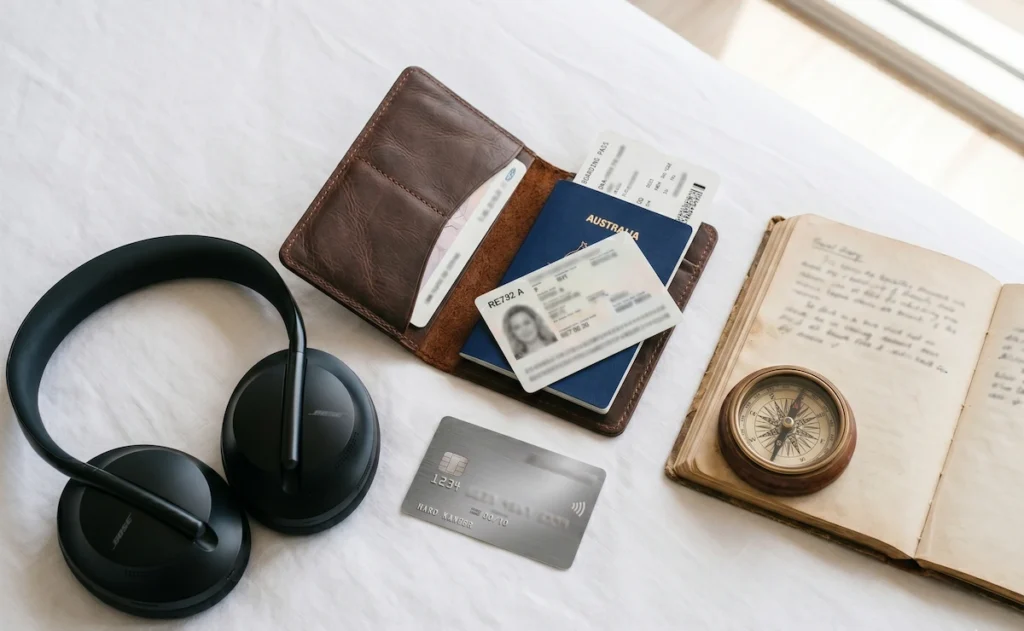
Travel insurance rental excess add-ons typically cover $5,000-$10,000, but you must buy the policy before your trip starts. International travel insurance policies often bundle this in automatically. Domestic travel versions? They usually charge an additional premium for car hire excess coverage.
One more thing: double-check your credit card or travel policy actually covers the specific country you’re renting in. Some policies exclude certain regions outright. Others cap coverage amounts differently depending on where you’re travelling overseas, so assumptions can cost you.
Book Your Brisbane Rental Car with Full Confidence
You’ve got the facts now. Rental car insurance in Australia includes basic coverage, but that excess amount can sting hard if something goes wrong with your hire car. Know what’s already covered, understand the gaps, and decide whether paying extra for excess cover makes sense for your trip.
Check your credit card and travel insurance first. You might already have protection sitting there unused.
Ready to hire a car in Brisbane? Contact GLAPacked for transparent rental car rates with clear insurance options, so you’ll know exactly what you’re paying for before you drive off.
Related Posts

Claiming A Tourist Tax Refund in Australia Before Leaving
Before you leave Australia, you can claim back the tax…

A Practical Guide to Car Hire Darwin Before You Book
During peak season, Darwin car hire gets expensive, and the…

Car Hire Hobart Airport: How Airport Pickup Works
Car hire at Hobart Airport works much like car hire…