
Packing for a business trip always feels rushed, even when you’ve done it a dozen times before. You lay out three outfits, second-guess two of them, and still somehow forget your phone charger.
A reliable packing list removes that last-minute guesswork. You’ll know what belongs in your bag, what can stay home, and have one less thing to worry about on the day you leave.
This guide walks through the wardrobe, grooming, and tech items worth bringing, then shows you how to fit it all into a carry-on. By the end, you’ll have a list you can pull out before every work trip and trust completely.
Why Packing for a Work Trip Is Different for Women
Packing for a work trip is different for women because professional outfits often require more coordination between clothing, shoes, and personal care items. A single meeting day may involve travel, presentations, networking events, and dinners, which means each item needs to work across multiple situations. Without a plan, it’s easy to overpack while still feeling like you have nothing suitable to wear.
The need to prepare well comes from the role these trips often play in professional growth. In fact, 78% of female business travellers say work trips help them achieve their professional goals.
When a trip involves meetings, networking, and career opportunities, preparation becomes more than a practical concern. A solid business trip packing list for female professionals helps them arrive ready and focused on the work ahead.
The Clothing Essentials
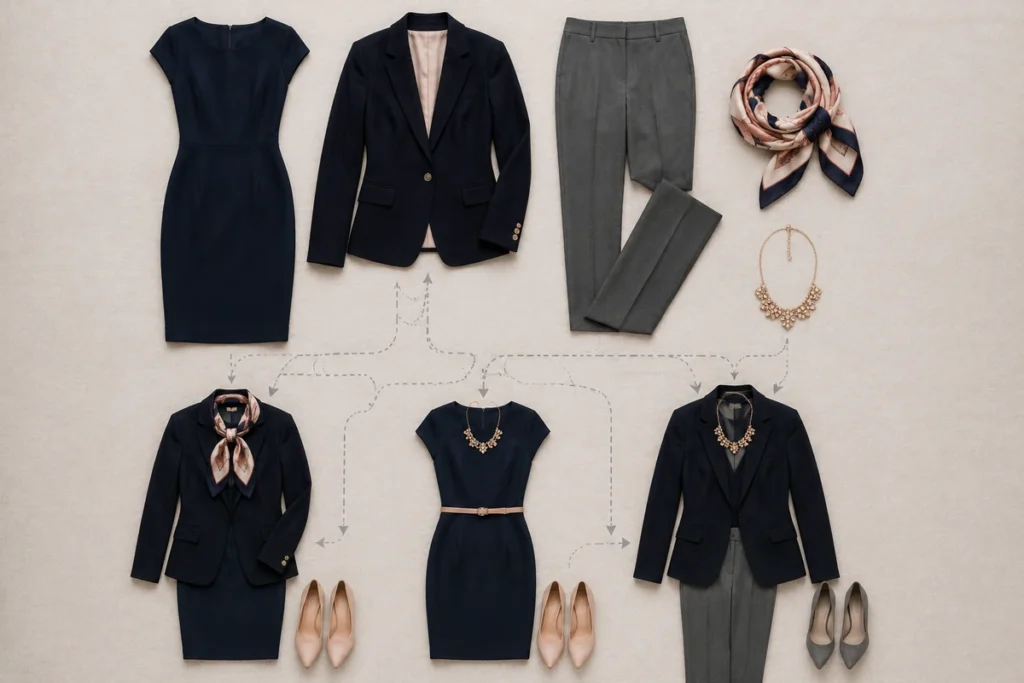
What to pack for a business trip comes down to choosing pieces that work across meetings, travel days, and evenings out. Let’s see how that looks in practice.
The Right Work Clothes
Two or three core pieces are enough for most multi-day trips. Think a tailored dress, a jacket, and one pair of trousers. Those three items can create enough combinations to cover meetings, dinners, and travel days without repeating an outfit.
Stick to neutral colours like black, navy, or grey so everything pairs together easily. Wrinkle-free fabrics like merino wool or jersey are worth prioritising too. They hold their shape after hours on a plane, so you can unpack and get dressed without needing to iron them first.
Shoes That Work Harder
Shoes are often the hardest item to limit because they take up so much space while feeling like a necessity for every possible situation. We’ve spoken with many travellers who packed three or four pairs for a work trip but ended up wearing only two. The issue is usually packing for every outfit rather than choosing shoes that can handle multiple occasions.
One or two pairs are genuinely all you need. For example, a block heel or loafer can work for morning meetings and dinners, while comfortable shoes or flats cover walking days and airport transfers.
Quick Tip: Choose pairs that complement multiple outfits, and leave the dressier options you’re not sure about at home.
Finishing Touches That Tie It Together
When you’re packing light, small accessories can help you create more variety without adding much weight. A statement necklace, silk scarf, or simple belt can change the look of the same outfit. You can wear them with your work clothes for meetings, then use them again for dinners or networking events.
For casual evenings, a lightweight wrap or cardigan adds another layer and still leaves room in your bag for everything else.
Toiletries and Personal Care
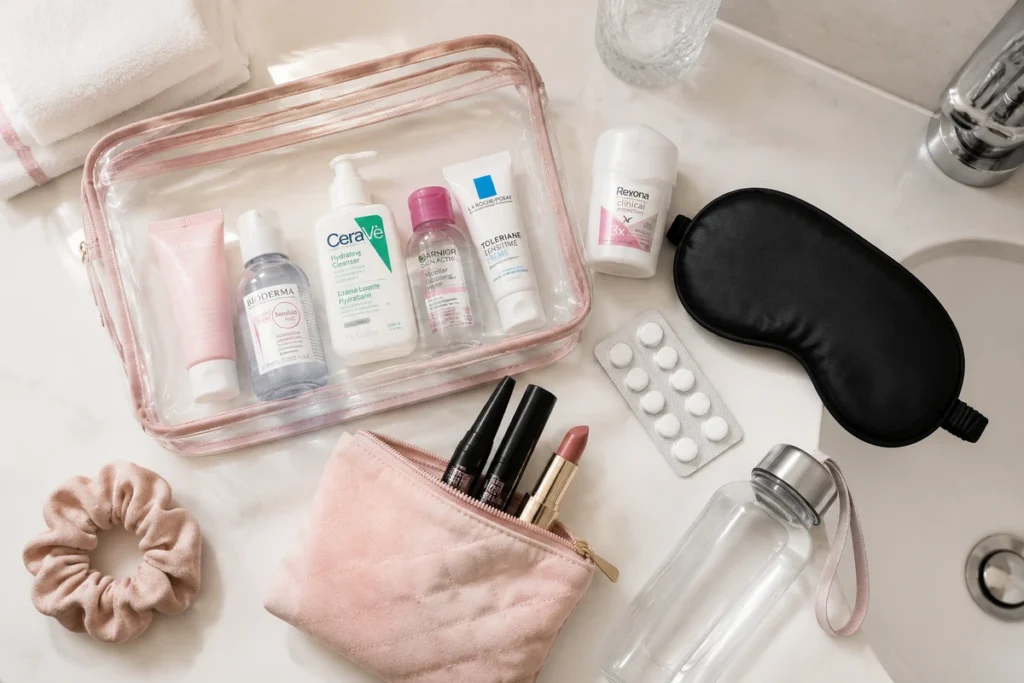
A good business trip packing list follows the same rule for toiletries as it does for clothing: only pack what you actually use. It’s easy to prepare for situations that may never happen, but those extra “just in case” items quickly eat into your carry-on allowance. So think about your actual morning routine, then organise your toiletries around it:
- Face Wash and Skincare: Bring the skincare products you already use, just in travel-sized bottles. A face wash, moisturiser, and SPF cover the basics while keeping your toiletry bag light enough to carry on.
- Makeup: Mascara, a tinted moisturiser, and one lip colour. That’s often all you need to look polished across the plane, meetings, and dinners.
- Stay Fresh Essentials: Don’t skip deodorant and travel perfume in the rush to pack light. few essential oils like peppermint or lavender are also useful additions. That way, you can freshen up between a long flight and a client dinner without needing a full shower.
- Eye Mask and Headache Kit: Long flights and unfamiliar hotel rooms don’t always make for good sleep, and an eye mask helps block out whatever light is working against you. Pain relief tablets and a few band aids are worth tossing in too. They’re small enough to forget about until you need them, but useful when a headache or blister threatens to derail your day.
- Stay Hydrated: Aeroplane cabins are dry by design, which can leave you feeling tired and dehydrated by the time you land. A small refillable bottle or hydration tablets make it easier to stay on top of your water intake throughout the journey.
When your toiletries reflect your routine, you’re less likely to overpack and more likely to have exactly what you need when you arrive.
Work Essentials You Can’t Leave Behind
An international business travel checklist keeps work essentials from getting lost in the rush of a busy packing session. These are the items most likely to be forgotten, especially when you’re focused on clothing and toiletries:
- Laptop and Accessories: If your work depends on a laptop, pack it with the charger the night before. It’s one of the easiest items to leave plugged in at home.
- Charging Gear: Long travel days can drain both your phone and laptop. Bringing the right chargers and a portable power bank helps you stay connected between meetings.
- Travel Documents: Keep your passport, visa paperwork, boarding pass, and meeting details together in one folder. You’ll spend less time digging through your bag at check-in.
- Universal Adapter: If you’re travelling internationally, bring a universal adapter so you can charge your devices regardless of local outlet types.
- Business Cards and Notebook: A small stack of business cards and a notebook still come in handy during meetings, especially when using a laptop isn’t practical.
- Cash and Cards: Not every destination runs on cards. So carry a small amount of local currency for taxis, tips, and the occasional place that won’t accept a digital payment.
With these essentials packed, you can walk into every meeting knowing the practical side of the trip is already handled.
How to Fit It All in a Carry-On
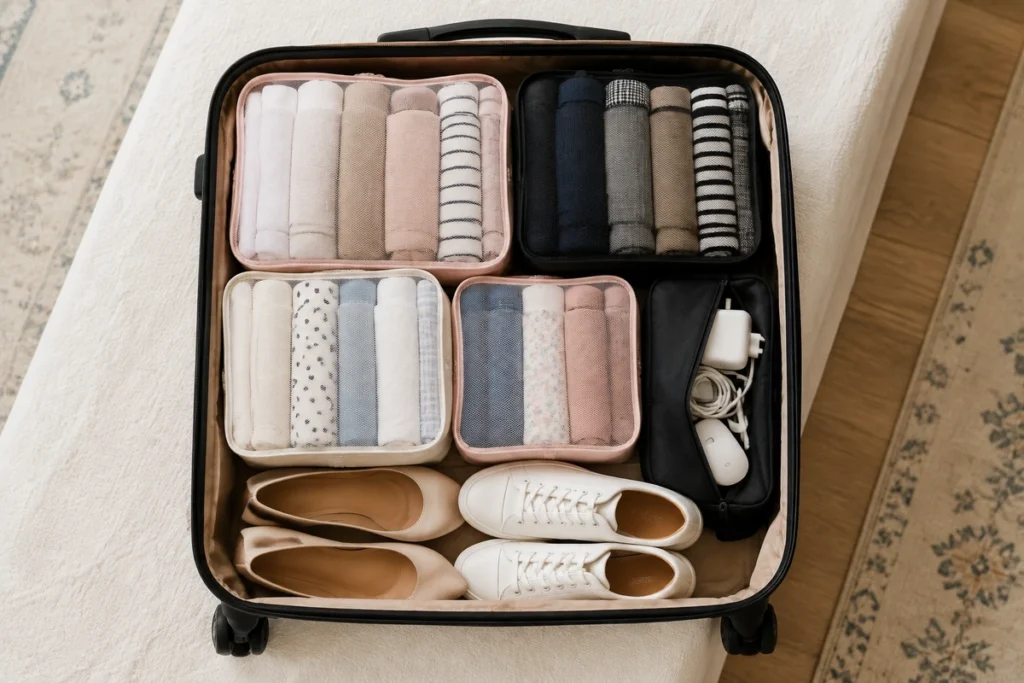
The way you load your bag determines how efficiently you use your carry-on space. Start with the bulkier pieces first. Then build around them, using the gaps for smaller items like chargers, adapters, and accessories. Place shoes at the bottom and roll clothing tightly to reduce wasted space and limit wrinkles.
If you’re using packing cubes, separate clothing from work essentials. That way you can find what you need quickly when you arrive at the hotel, without unpacking everything.
This approach keeps everything accessible, and your bag light enough to carry on. It also lets you skip baggage claim and reduces the risk of your luggage being delayed before an important meeting.
Your Business Trip Starts Before You Leave Home
A good packing list only works when you give yourself enough time to use it properly. Pack the night before so your departure morning is free for everything else.
The same applies to your travel documents, itinerary, and work materials. Having these sorted in advance means fewer things to manage when you’re dealing with flights, transfers, and meetings.
If you want a more structured approach to your next business trip, GLA Packed can help you create a packing system that works for the way you travel. Get in touch to get started.
Related Posts
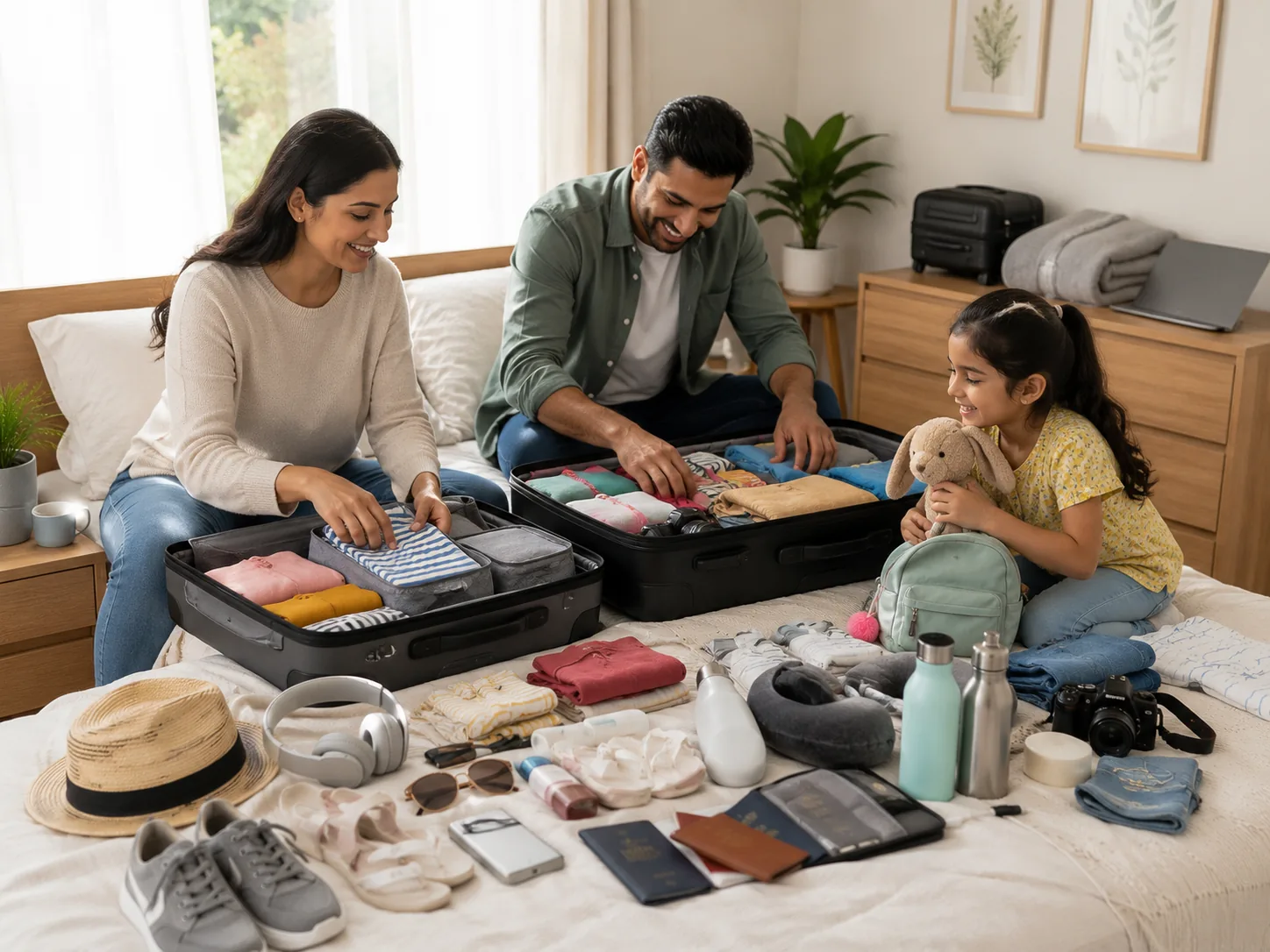
Knowing When To Start Packing For A Trip Without Rushing
Most people start packing for a trip the night before…
Making A Weekend Trip Packing List Before You Leave
A solid weekend trip packing list saves you from having…
Planning How To Prepare A Car For A Long Road Trip Before You Leave
You've packed the bags, double-checked the route, and everyone's ready…