Hire car insurance in Australia covers you against damage, theft, and liability while renting a vehicle.
Most people assume the cover built into their rental fee is enough. However, the standard policy still leaves gaps like damage to tyres, windshields, or undercarriage. That can cost thousands if the hired car is damaged or stolen.
For Brisbane drivers, GLA Packed often provides guidance on the insurance options that best suit a trip, so we know this topic inside out. And in this guide, we’ll cover:
- What your rental agreement includes
- Things to check before you sign
- What happens after a fault accident
Let’s begin by understanding how hire car insurance works in Australia.
How Does Hire Car Insurance Work in Australia?
In Australia, hiring a car comes with built-in coverage, but the gaps can cost you if you’re unprepared.
Most rental companies bundle a few layers of protection into the base daily rate, each with a different job. Here are five important terms you should be familiar with:
- Compulsory Third Party (CTP) Insurance: Compulsory cover is included in every rental fee, and it pays injury compensation to others if you cause an accident. Vehicle damage, though, falls outside its scope entirely.
- Collision Damage Waiver (CDW): Rather than a true insurance policy, this is a liability limitation product. It caps what the company can charge you for collision repairs, provided you’ve stuck to the agreement terms.
- Loss Damage Waiver (LDW): It’s basically CDW extended to include theft and vandalism. Some Australian hire car companies bundle both into one standard term, while others charge for each separately.
- The Excess: The excess is a fixed amount you’re liable for if the hired car is damaged or stolen. On standard vehicles, it typically sits between $3,000 and $8,250, and climbs higher for prestige and 4WD rentals.
- Excess Reduction and Rental Vehicle Excess Cover: Buying excess reduction at the counter lowers your liability upfront. Meanwhile, vehicle excess cover pays that amount back after you’ve already handed it over. These are two separate options that tackle the gap differently.
While assisting drivers, many disputes between renters and hire car companies trace back to one of these five terms being misread or missed entirely.
If the rental car excess insurance or standard liability cover section of your agreement looks confusing, we suggest reading it twice before signing anything.

What Does Car Hire Excess Insurance Cover?
Car hire excess insurance covers the portion of a rental claim you’d normally have to pay out of pocket if the vehicle is damaged or stolen. It helps reduce your financial risk and gives peace of mind while on the road.
So now we’ll see: what does car hire excess insurance cover in general?
What’s Typically Included in The Cover
Most insurance packages cover collision damage and theft as a baseline. The hire car company absorbs repair costs above your excess when the vehicle is damaged or stolen, provided you haven’t breached the agreement terms.
Third-party property damage cover may also be included, but renters should verify this in their specific agreement rather than assuming it’s there. Customers who’ve booked through us have flagged this as something they only noticed after an incident.
That said, personal accident insurance is a separate issue entirely. Some companies offer it as an optional add-on at the counter. It sometimes covers medical expenses or lost income for you and your passengers if an accident occurs.
Parts and Situations Often Left Out
Windscreens, tyres, roof, undercarriage, and interior damage sit outside the scope of standard CDW/LDW cover across most companies.
For instance, a vehicle park scrape that chips a headlight may not be covered, since lights and mirrors fall outside standard coverage with many rental car companies (and that bill arrives before the repair quote does).
Apart from those, some other commonly excluded events are:
- Single-vehicle accidents
- Wildlife strikes
- Hail damages
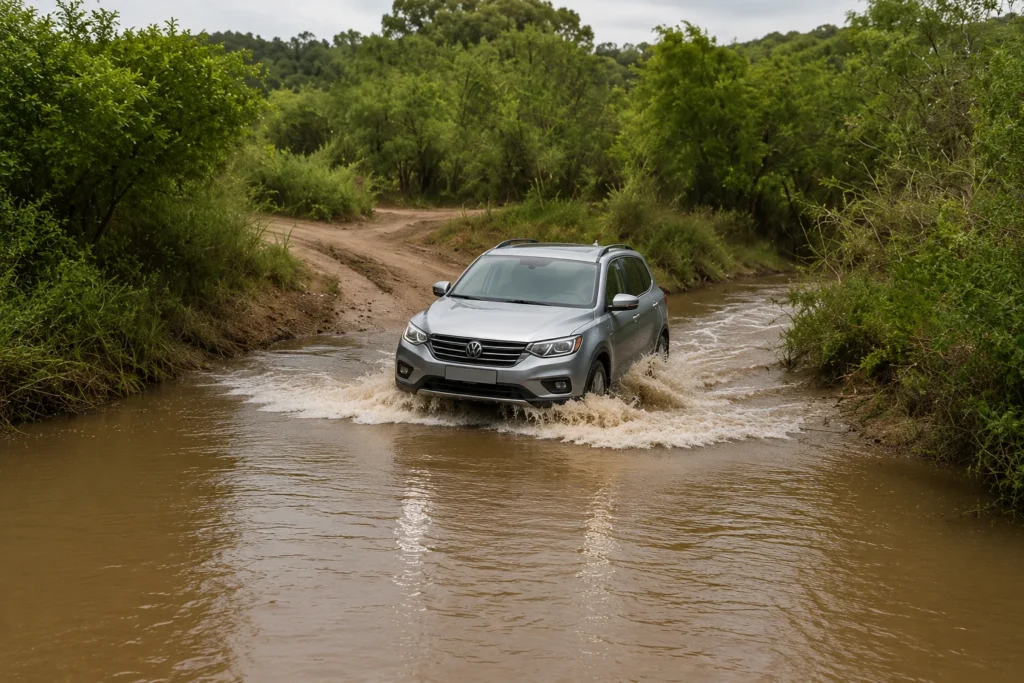
Not to mention, driving on unsealed roads, through floodwater, or beyond permitted routes can void all existing cover under the rental agreement. So always read the fine print on road restrictions before heading off the main highway.
Does Comprehensive Car Insurance Extend to a Rental?
Some Australian comprehensive insurance policies do include a hire car excess benefit, but automatic inclusion is rare. The majority of insurers sell it as a bolt-on to your existing insurance policy rather than bundling it in as standard.
To confirm whether you’re covered, check your product disclosure statement for wording like “rental vehicle excess cover” or “substitute vehicle benefit.” Missing this detail can mean paying twice for the same protection without realising it.
As for cover caps on these policies, they generally sit between $3,000 and $5,000, which often falls short of a prestige or 4WD excess. If your usual car is mid-range, that cap may be enough, but any aftermarket upgrades could push repair costs well beyond the standard limit.
5 Things You Should Check Before Signing the Agreement
We repeatedly encounter renters who just pick up their hire car, glance at the agreement, and sign without reading much further (and that’s where unexpected car costs tend to start).
Below are some high-priority details you should confirm before you hand over your signature:
| What to Check | Details | Risk Level | Where to Find It In Your Rental Agreement | Covered By |
| Excess amount | Should typically sit between $3,000 and $5,000 for standard vehicles; higher for prestige and 4WD | High | Front section | Excess reduction, standalone excess insurance, credit card, travel insurance |
| Excluded parts | Windscreens, tyres, roof, and undercarriage are frequently left out of standard CDW/LDW | High | Exclusions section | Standalone excess insurance with added windscreen and tyre cover |
| Road restrictions | Unsealed roads, beaches, and flood-prone areas typically void all cover | Medium | Terms and conditions | Some standalone policies, if the rental agreement permits it |
| Authorised drivers | Only named drivers on the rental agreement are covered; anyone else voids the policy | Medium | Driver details | No cover available for unauthorised drivers |
| Existing cover | Your credit card or travel insurance may already include rental car excess cover | Low | Your card’s PDS or travel insurance PDS | Credit card coverage or travel insurance excess benefit |
Each of these five points will sit somewhere inside your rental car agreement (the agreement rarely makes this obvious). You’ll need to look for them rather than wait for the company to point them out.
What’s more, checking your credit card and travel insurance policies beforehand is a great way to cover your bases before you commit to anything at the desk. Renters who do this often find they already have excess cover in place and don’t need to purchase online or pay the daily waiver fee at all.
Worth Knowing: Under Australian Consumer Law, the maximum excess and any vehicle class limits must be disclosed clearly, so if something looks vague, ask for clarification before signing.
Who Pays for a Hire Car After an Accident?

After an accident, the cost of a hire car is usually covered by your insurance policy or the rental company’s excess insurance, depending on the terms of your coverage. How much you pay, and whether you get any of it back, depends largely on fault and what cover you had in place.
Take a look at how the process plays out across different scenarios and who pays for hire car after an accident.
If the Accident Was Your Fault
In a fault accident, the rental company charges your excess upfront, regardless of the actual damage costs. If the repair bill comes in below your excess, you may receive a partial refund once the vehicle has been assessed.
In this case, excluded damage types sit outside the CDW/LDW scope entirely and will add further direct costs on top of the excess amount. Rental companies can add towing, administrative, and miscellaneous charges, like fees for the time the car is out of service, to your final bill. As a result, the total often exceeds the headline excess figure.
When the Accident Wasn’t Your Fault
Even in a not-at-fault accident, the hire car company charges the full excess to your credit card while fault is still being investigated.
Once the at-fault driver is confirmed, the company will recover costs from their insurance company, and the excess payment will be refunded. That process, however, can take several weeks or even several months (and renters often don’t expect that gap).
What to Do Immediately After an Accident

From what we’ve seen working with Brisbane drivers, the best course of action is to stop the vehicle right away. Then check all other drivers for injuries, and exchange full contact and licence details before anything else.
If possible, photograph all damage to both vehicles plus the surrounding scene immediately. Those images are your strongest protection against disputed charges when the hire car company assesses the vehicle later.
After that, contact the rental agency as soon as it’s safe to do so, and avoid admitting fault to anyone at the scene before speaking with your insurer. A licensed agency will have an accident reporting process outlined in your agreement, so keep that agreement handy from the moment you collect the keys.
Getting the Most Out of Your Next Car Rental
Insurance for a hire car in Australia isn’t as simple as it looks on the agreement. The standard cover handles the basics, but the excess gap, excluded parts, and road restrictions are where most renters get caught out. And that’s often after it’s too late to do anything about it.
Even one detail can change the whole outcome. That’s why you must check your credit card and travel insurance before adding rental car excess insurance at the counter. You might not need to buy extra insurance, so confirming first can save you from paying twice.
GLA Packed has plenty more guides on how to hire a car while getting the most out of your rental. Check out our other articles and find everything you need before your next trip.
Related Posts

Is Car Hire Excess Insurance Worth It For Your Rental
For most Australian renters, car hire excess insurance is a…

Does Travel Insurance Cover Car Hire And What To Check First
Yes, travel insurance can cover car hire, but it depends…

What Does Car Hire Excess Insurance Cover During A Rental
Car hire excess insurance covers the cost of damage or…